Historic Home Deck Restoration 2026: Preserving Character While Modernizing (PA Historic District Guide)
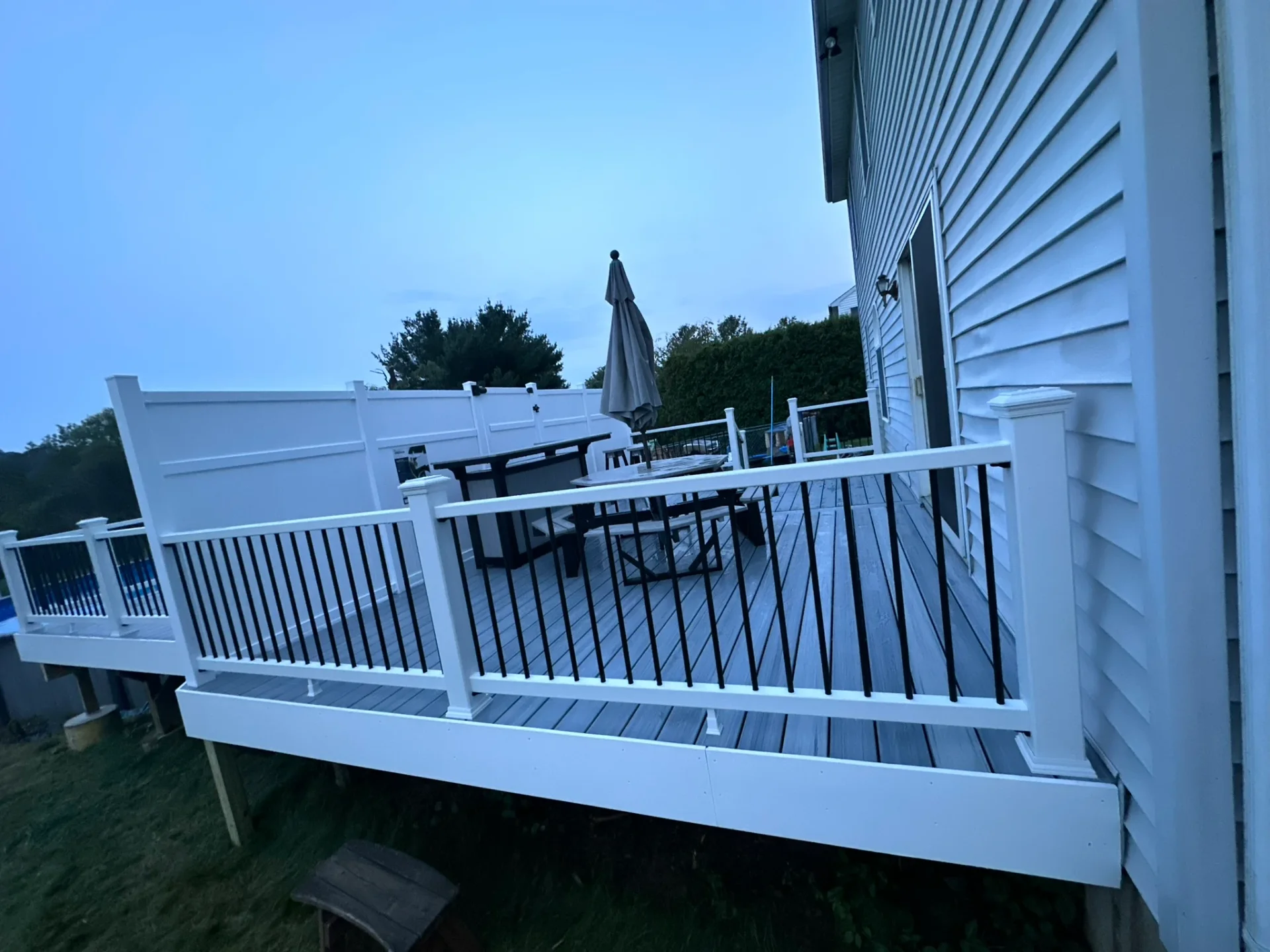
What is Historic Home Deck Restoration 2026: Preserving Character While Modernizing (PA Historic District Guide)?
Restoring a deck on a historic home isn’t just a repair—it’s a preservation project. In Pennsylvania historic districts, design details, materials, and sightlines often matter as much as structural safety. The right plan protects architectural character while meeting today’s codes.
Key Takeaways
- Start with a structural assessment before choosing materials.
- Preserve visible historic elements while upgrading hidden framing.
- Use code-compliant railings that match the home’s era.
- Historic district approvals may require extra documentation.
- Modern waterproofing extends life without changing aesthetics.
Step 1: Assess the existing structure
Older decks often hide rot at the ledger and posts. A professional inspection identifies compromised framing, improper flashing, and outdated fasteners.
Step 2: Preserve what matters visually
Historic homes often feature traditional railing profiles, lattice skirts, or porch details. Reproducing those elements while upgrading the structure is the best of both worlds.
Step 3: Upgrade to modern safety standards
Today’s codes require railings to meet height and spacing rules that were not standard decades ago. We can integrate these safely without sacrificing visual style.
Material choices that respect history
Pressure-treated framing is standard for structure. For surfaces, capped composite boards can mimic historic tones while providing low maintenance. If authenticity is critical, select a premium wood and plan for routine refinishing.
Historic district approvals in PA
Many boroughs require design review. Provide detailed drawings, materials samples, and photos of existing conditions. A clear, respectful plan speeds approvals.
Waterproofing and longevity
Modern joist tape, proper flashing, and drainage protect the restoration investment. These upgrades are invisible but dramatically extend lifespan.
Recommended restoration approach
We typically rebuild structural components, preserve visible historic features where possible, and integrate modern safety improvements. This approach ensures both compliance and character.
Ready to restore the right way?
Our team helps historic homeowners design decks that respect the past and perform for decades. Explore deck construction services or schedule a consultation through contact.
Frequently Asked Questions
- Do historic decks need to meet current code?
- Yes. Safety requirements apply even in historic districts.
- Can I keep my existing railing style?
- Often yes, with subtle adjustments to height or spacing.
- How long do approvals take?
- Historic review boards may add 2–6 weeks depending on the municipality.
- Are composite boards allowed on historic homes?
- Many districts allow them if color and profile match the home’s style.
Frequently Asked Questions
Do historic decks need to meet current code?
Yes. Safety requirements apply even in historic districts.
Can I keep my existing railing style?
Often yes, with subtle adjustments to height or spacing.
How long do approvals take?
Historic review boards may add 2–6 weeks depending on the municipality.
Are composite boards allowed on historic homes?
Many districts allow them if color and profile match the home’s style.
