Decks are long-term investments. The most expensive projects are the ones that need fixes later. Avoiding these common mistakes can save thousands and keep your deck safe for decades. Decks are long-term investments. The most expensive projects are the ones that need fixes later. Avoiding these common mistakes
Decks are long-term investments. The most expensive projects are the ones that need fixes later. Avoiding these common mistakes can save thousands and keep your deck safe for decades.
Unpermitted decks can create legal and resale problems. Permits also ensure safety standards are met.
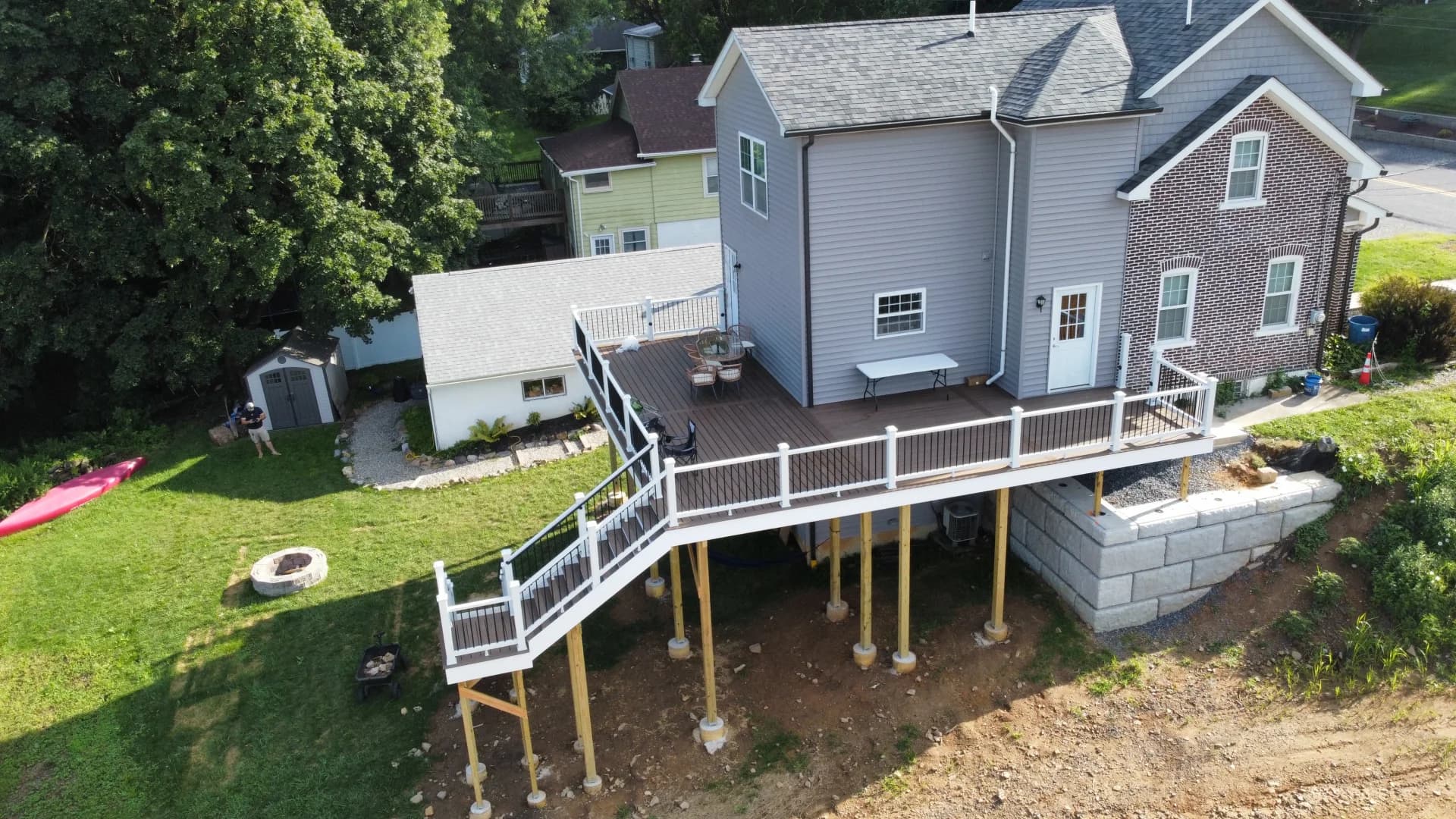
Ledger failures are a major cause of deck collapses. Proper flashing and fasteners are essential.
Footings must meet frost depth and load requirements. Undersized footings lead to settling and instability.
Standing water causes rot and mold. Plan slope, gaps, and waterproofing upfront.
Cheap screws rust quickly in PA/NJ climates. Use corrosion-resistant hardware.
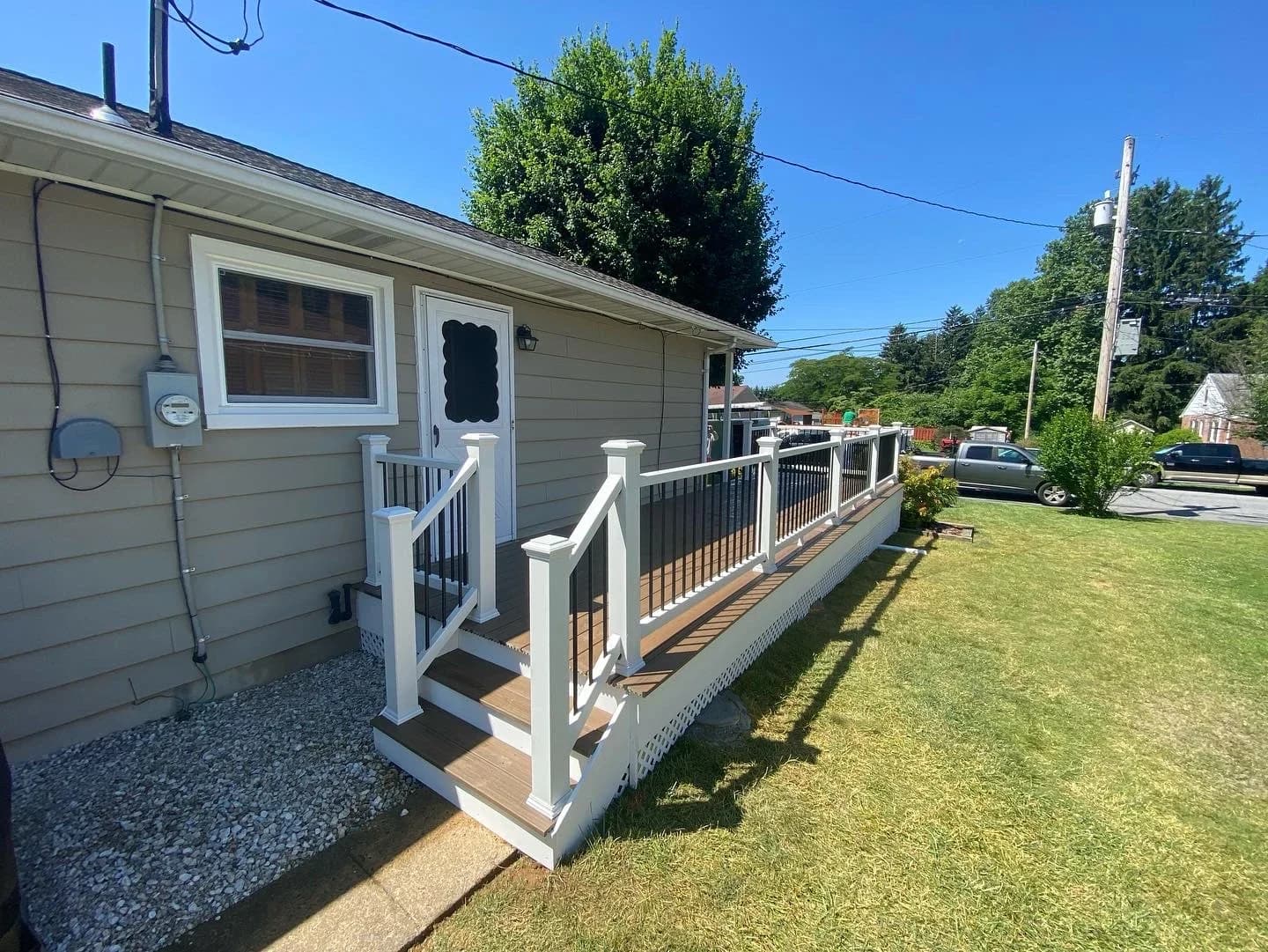
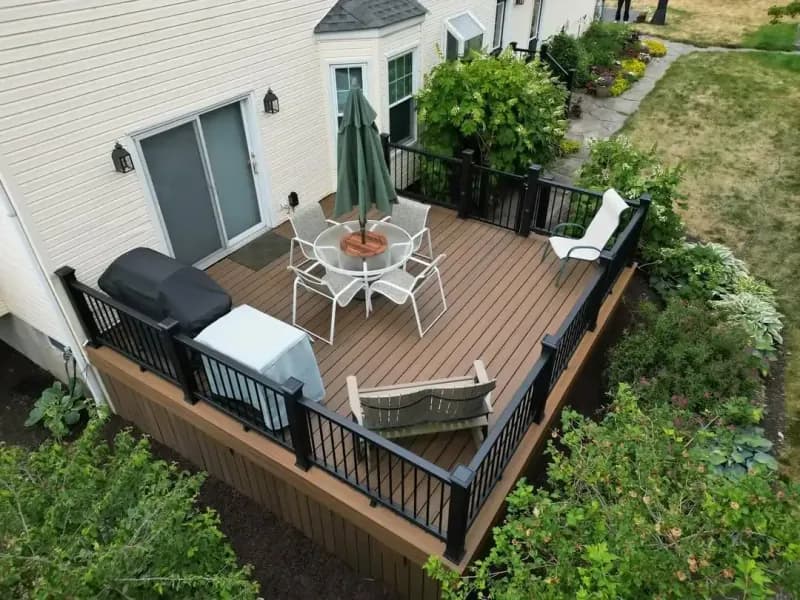
Railings that are too low or too spaced can be dangerous and non-compliant.
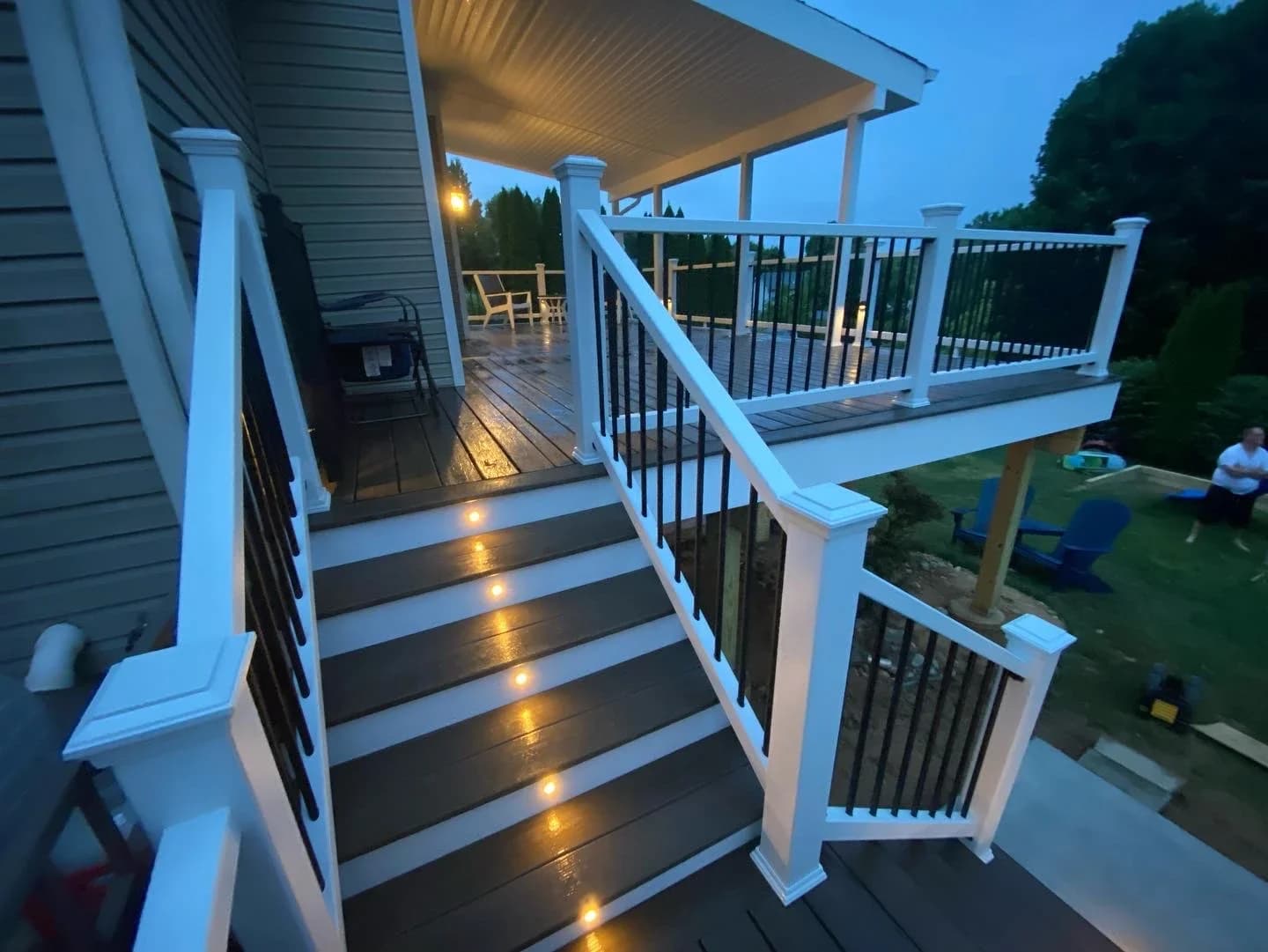
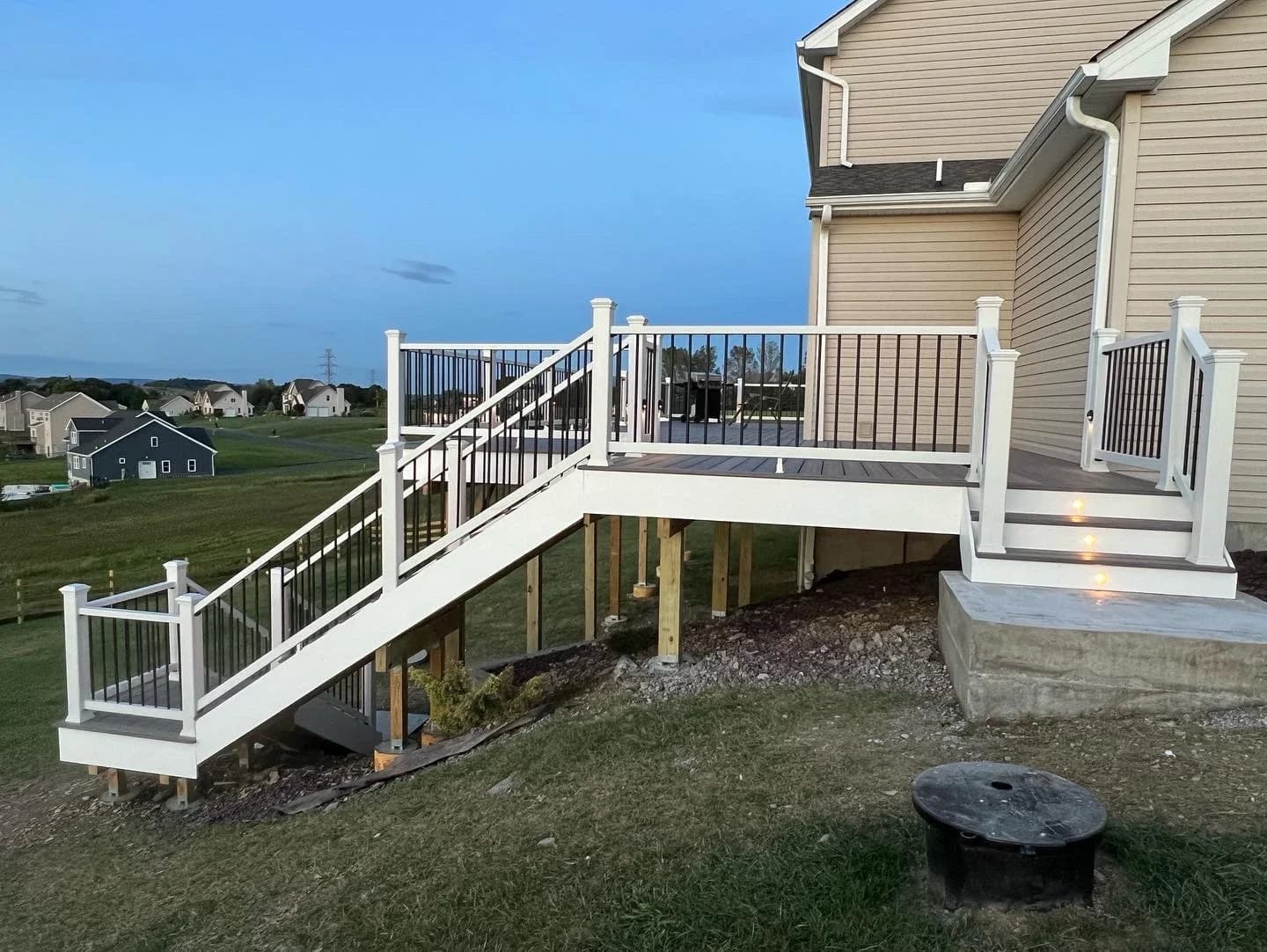
Decks need safe, subtle lighting for stairs and transitions. It’s easier to install during construction.
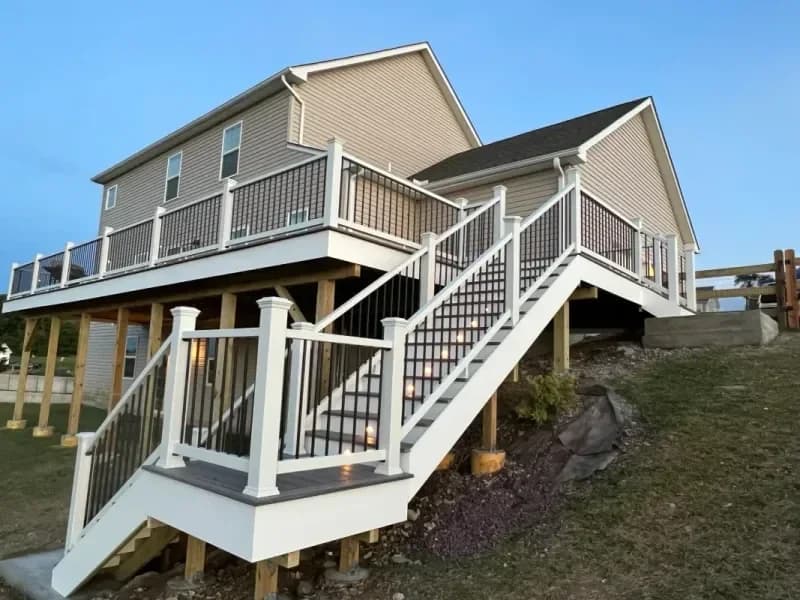
Wood expands, cracks, and requires sealing. Composite performs better in moisture-heavy climates.
A deck should match the home’s size and neighborhood expectations to protect ROI.
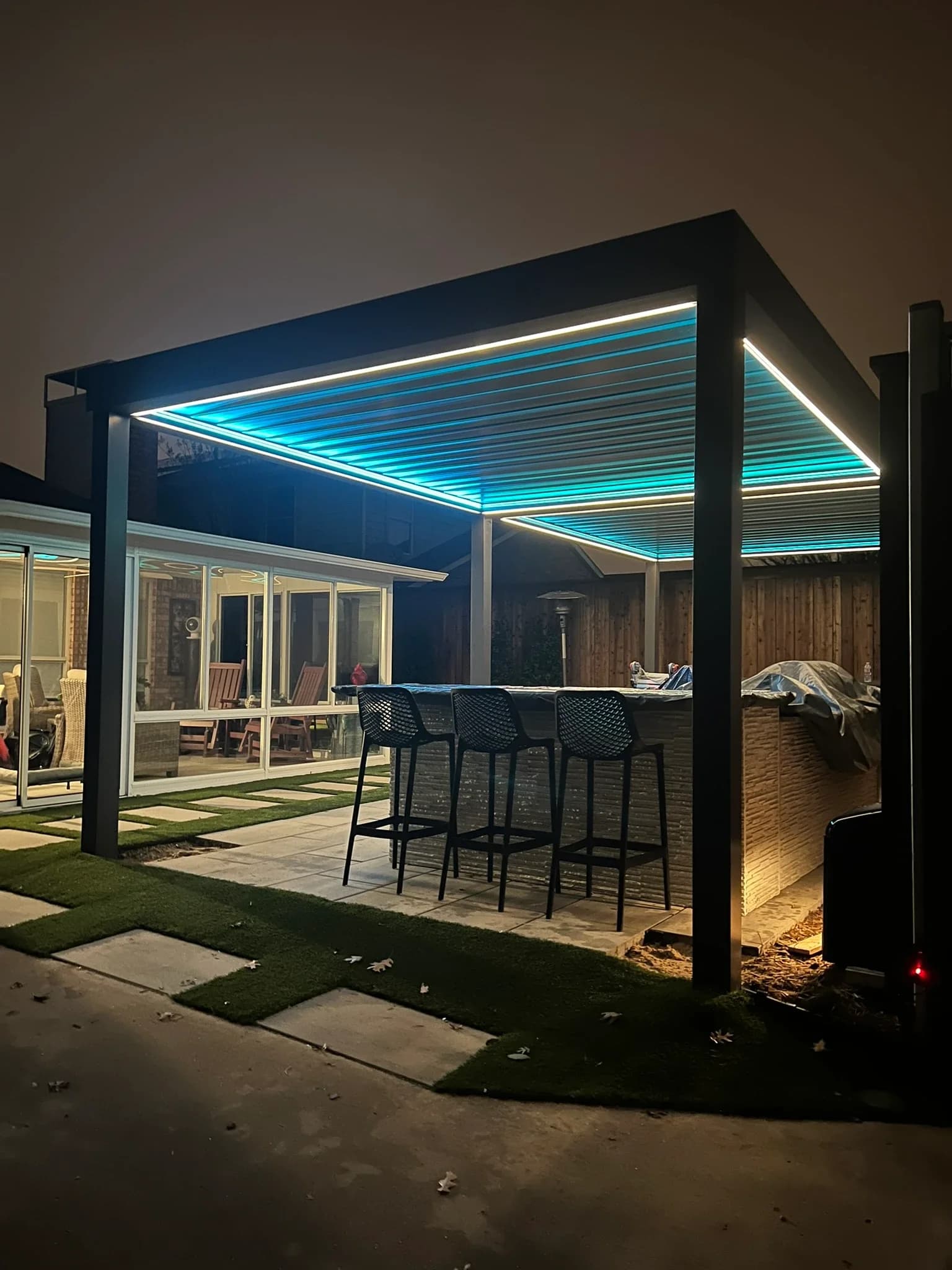
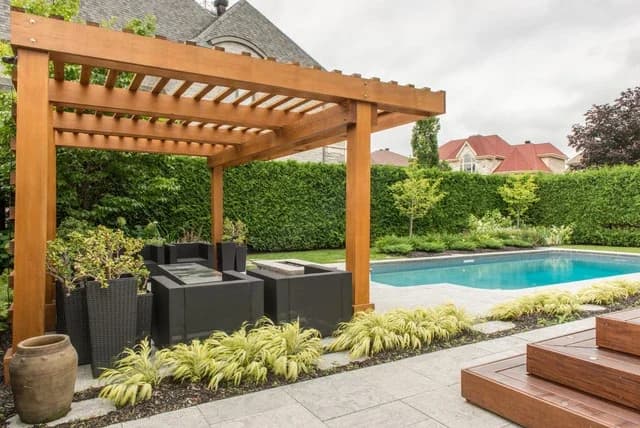
If you plan to add a pergola, hot tub, or outdoor kitchen later, design the structure now to support it.
Working with an experienced team prevents costly mistakes. Learn about deck construction services or request a consult via contact.
Improper ledger attachment—it can require full rebuilds.
Some mistakes can be corrected, but structural errors are costly.
It helps with maintenance, but structural planning still matters most.
For most decks, yes—especially if permits or structural changes are required.